


In the rapidly evolving landscape of Saudi Arabia’s giga-projects and the broader Middle Eastern hospitality sector, the definition of luxury is shifting. It is no longer enough for an interior to be visually stunning; it must be technologically superior. As architects and developers strive to meet the ambitious goals of Saudi Vision 2030, every material specified for a high-end project must justify its investment through durability, safety, and hygiene. Among the most significant breakthroughs in modern textiles is the integration of nanotechnology in fabric. This advanced engineering allows fabrics to perform at a molecular level, creating a shield that protects the aesthetic integrity of five-star environments from the daily rigours of heavy commercial use.
For the decision-makers behind the region’s most iconic developments from the luxury resorts on Shura Island to the flagship hotels in Riyadh the procurement of textiles is a strategic move. Choosing materials that utilize nanotechnology in fabric ensures that the opening day freshness of a property is preserved for years. This guide explores how this invisible technology addresses the complex challenges of modern project outfitting and why it is the definitive choice for the professional hospitality and healthcare sectors.
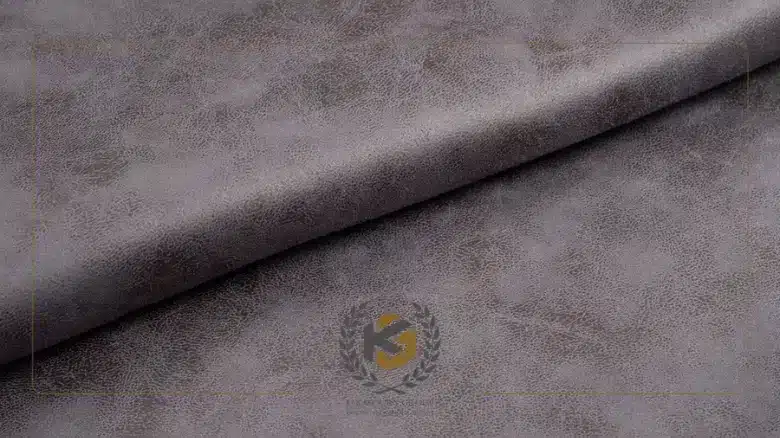
Why Industry Leaders Demand Nanotechnology in Fabric
A successful commercial fit-out depends on the perfect alignment of various professional priorities. Each stakeholder brings a unique set of challenges that textiles engineered with nanotechnology in fabric are uniquely equipped to solve.
Empowering Architects and Interior Designers
Interior designers and architects are the visionary heart of any project. They want to create immersive, evocative spaces that tell a brand’s story through texture and color. Historically, designers were often restricted to darker palettes or heavier textures in high-traffic areas to hide wear and stains. However, the advent of nanotechnology in fabric has removed these creative boundaries. Designers can now specify light, delicate colors and sophisticated weaves even in bustling hotel lobbies with the absolute confidence that the material will repel contaminants. This allows for a level of creative freedom that was previously impossible in the commercial sector.
Driving Operational Efficiency for Hotel Operators
For a hotel operations director, the physical property is a functional machine that must run efficiently twenty-four hours a day. They judge a material by its maintenance requirements and its lifecycle cost. Utilizing nanotechnology in fabric is a game-changer for operations teams. Because these fabrics are engineered to resist deep staining and pilling, they drastically reduce the need for aggressive chemical cleanings or premature furniture replacement. This efficiency directly impacts the property’s bottom line and ensures that guest satisfaction remains high, as the environment always looks pristine and well-maintained.
How Nanotechnology in Fabric Works
To make an informed procurement decision, it is essential to understand that nanotechnology in fabric is not a simple topical spray. It is a sophisticated molecular process that changes how fibers interact with their environment.
Permanent Integration vs. Topical Coatings
The most critical distinction in technical textiles is how the protection is applied. Low-quality treated fabrics often use a topical coating that sits on the surface of the weave. These treatments are temporary and often wash out after a few laundry cycles. In contrast, professional-grade nanotechnology in fabric involves attaching nanoparticles to individual fibers at a molecular level.
This ensures that the protective properties are three-dimensional and permanent. Because the particles are so small, they do not block the gaps between the fibers, allowing the material to remain completely breathable and soft to the touch. When you specify nanotechnology in fabric, you are providing your furniture with a microscopic suit of armor that lasts the entire life of the product.
Beyond Simple Stain Resistance
The advantages of utilizing nanotechnology in fabric extend far beyond repelling accidental spills. It offers a comprehensive solution for the health, safety, and aesthetic longevity of commercial spaces.
Antimicrobial Shields for Healthcare Environments
In premium healthcare projects and VIP recovery wards, hygiene is the top priority. Specialized nanotechnology in fabric can incorporate antimicrobial agents that inhibit the growth of bacteria, fungi, and mold. This is not just a matter of cleanliness; it is a critical component of infection control protocols. By repelling moisture and destroying microorganisms on contact, these fabrics create a safer environment for patients and medical staff alike, while still maintaining the welcoming, residential feel required in luxury clinical settings.
UV Resistance and Fire Retardancy Synergies
In the intense climate of the Middle East, UV radiation is a constant threat to interior textiles. High-quality nanotechnology in fabric can include UV-reflecting particles that prevent the sun from breaking down fibers or fading vibrant colors. Furthermore, this technology can be seamlessly combined with inherent fire-retardant properties. This means a single yard of fabric can meet the strictest international safety codes, such as NFPA 701, while also being stain-resistant and UV-stable. This multi-functional performance is why nanotechnology in fabric is the gold standard for projects on the Red Sea coast.
Integrating Nanotechnology in Fabric into Turnkey Solutions
Procuring high-performance materials for a giga-project is a complex logistical task. Procurement managers face the daily headache of fragmented supply chains and tight deadlines. Dealing with a partner that understands the application of nanotechnology in fabric ensures that the technical specifications of the material are correctly translated into the final installed product.
The ElKafoury Group Standard Since 1996
Since 1996, ElKafoury Group has stood as the trusted strategic partner for the region’s most ambitious hospitality and commercial fit-outs. We do not simply supply materials from a catalog; we deliver integrated solutions that align with the principle of Supply per technical specifications. Our expertise in nanotechnology in fabric allows us to consult with architects and developers to identify the exact material needed for each unique environment.