


In the high-stakes world of luxury hospitality within Saudi Arabia and the broader Middle East, the guest experience begins long before the first interaction with staff. It starts the moment a guest steps into the lobby and is enveloped by the visual atmosphere. Among the many tools available to architects and developers, Color Psychology in Hospitality Design stands as one of the most potent. It is a scientific and artistic discipline that dictates how colors influence human emotion, behavior, and spatial perception. At El Kafoury Group, having served the region’s most prestigious projects since 1996, we understand that selecting a palette is not merely a decorative choice; it is a strategic maneuver to ensure guest satisfaction, brand loyalty, and operational success. When implemented correctly, Color Psychology in Hospitality Design transforms a physical structure into a living, breathing brand experience.
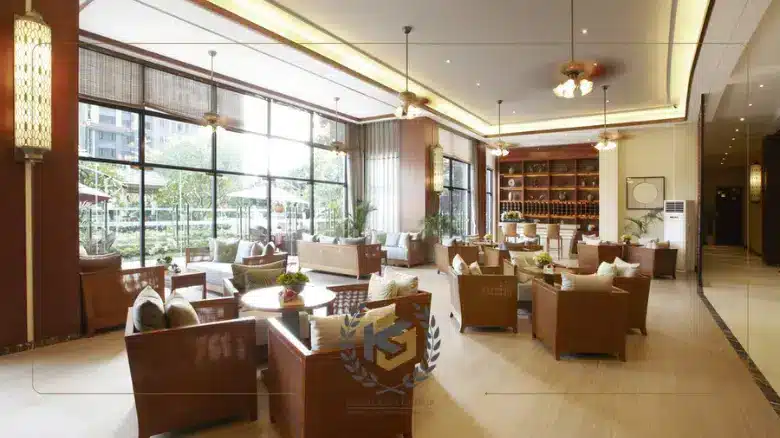
Why Color Psychology in Hospitality Design Dictates Guest Perception
For decision-makers in the hospitality and real estate sectors, the objective is always clear: create a memorable environment that justifies premium positioning. The psychological impact of hotel room decor can make or break a guest’s stay. A well-chosen color can lower heart rates, stimulate appetite, or project an image of unparalleled opulence. Conversely, a poor chromatic strategy can lead to guest agitation or a perception of low quality. This is why Color Psychology in Hospitality Design is central to our consultative process at ElKafoury Group.
The Architect and Interior Designer’s Vision
Interior designers and architects are the primary storytellers of a project. They require a partner who can translate their complex mood boards into physical reality. The challenge lies in finding fabrics and finishes that match the exact saturation and hue intended by the creative vision. In the context of Color Psychology in Hospitality Design, a slight variation in a blue shade can change a room from calming to cold. We provide an extensive range of innovative materials that allow designers to execute Color Psychology in Hospitality Design with absolute precision, ensuring that the Interior design color trends for hotels are realized without compromise.
Hotel Operations and Management
For hotel managers, the priority is the impact of hotel colors on guest behavior. You understand that a lobby designed to feel energetic will encourage social interaction and beverage sales, while a guest room designed with muted tones will improve sleep quality. Implementing Color Psychology in Hospitality Design correctly directly correlates with higher review scores and guest retention. Furthermore, operational durability is key; a beautiful color is useless if it fades. Our textiles are engineered to maintain their vibrancy under heavy use and frequent cleaning, a vital factor in Boosting guest satisfaction through color choices.
Healthcare Project Management
In healthcare hospitality, the Role of color in hospitality guest experience shifts toward clinical outcomes. Color Psychology in Hospitality Design in medical suites focuses on reducing patient anxiety and projecting an image of absolute cleanliness. Soft greens and blues are preferred for their calming effects, while whites must remain brilliant and bleach-cleanable. ElKafoury Group provides furniture and fabric solutions that meet these psychological needs while adhering to the strictest international safety standards, such as NFPA 701.
The Procurement and Developer’s View
Owners and developers seek a partner who carries the burden of execution. When using color to enhance hotel brand identity across a multi-million-dollar project, there is no room for error. The benefits of a single FF&E supplier become clear here; a unified partner ensures that the Color schemes for luxury hotel branding remain consistent across furniture, curtains, and linens. ElKafoury Group’s turnkey solutions provide developers with the peace of mind that Color Psychology in Hospitality Design will be delivered on time, within budget, and to the standards expected by global names like Hilton and Four Seasons.
The Core Principles of Color Theory for Hospitality Interiors
To master Color Psychology in Hospitality Design, one must understand how different segments of the color spectrum interact with the human psyche.
Warm vs Cool Colors in Hotel Design
The debate of Warm vs cool colors in hotel design is fundamental to the Emotional effects of colors on hotel guests.
- Warm Colors: Reds, oranges, and yellows are stimulants. They evoke energy, warmth, and comfort. In the right saturation, they are the best colors for the hotel lobby atmosphere to encourage social vibrancy.
- Cool Colors: Blues, greens, and purples are suppressants. They evoke calmness, peace, and professionalism. They are essential when creating a relaxing hotel environment with color, particularly in spas and bedrooms.
Neutral Palettes and Color Schemes for Luxury Hotel Branding
In the luxury segment, neutrals like taupe, beige, and slate are often used to project timelessness and sophistication. However, Color Psychology in Hospitality Design warns against a palette that is too neutral, which can feel sterile. The strategic use of accent colors deep emeralds, royal blues, or brushed golds helps in using color to enhance hotel brand identity, giving the space a unique soul that distinguishes it from competitors.
Implementing Color Psychology in Hospitality Design across Key Areas
A hotel is a collection of different environments, each requiring a tailored application of Color Psychology in Hospitality Design.
Best Colors for Hotel Lobby Atmosphere
The lobby is the brand’s manifesto. Utilizing Color Psychology in Hospitality Design here requires a balance between the First Impression and Brand Identity. For an urban business hotel, deep mahogany and navy blue project authority. For a beachfront resort in the Red Sea, sandy beiges and turquoise evoke a connection to nature. Choosing the Best colors for hotel lobby atmosphere is a strategic move to immediately align the guest’s mood with the hotel’s purpose.
Psychology of Color in Guest Room Design
The guest room is where the Psychology of color in guest room design is most critical. This space must serve as a sanctuary. Soft neutrals combined with cool-toned accents help in creating a relaxing hotel environment with color. At ElKafoury Group, we specialize in high-thread-count linens and blackout curtains that harmonize with these color choices, ensuring that Color Psychology in Hospitality Design supports the ultimate goal: a perfect night’s sleep.
Stimulating Appetite with Restaurant Color Psychology
In F&B outlets, the focus shifts. Stimulating appetite with restaurant color psychology often involves the use of warm tones. Terracotta, deep reds, and warm ambers are known to increase appetite and encourage guests to stay longer. However, Color Psychology in Hospitality Design must also consider lighting; the way a fabric’s color reacts to evening light is crucial for creating the right dining ambiance.
Technical Excellence in Chromatic Selection
Understanding Color Psychology in Hospitality Design is useless if the materials fail technically. At ElKafoury Group, we merge psychological insight with nearly 30 years of manufacturing expertise.
UV Resistance and Lightfastness in the Middle East Climate
In Saudi Arabia and the GCC, the sun is a major factor. A fabric that looks beautiful in a mood board can fade in months if not properly engineered. We provide solutions for Color Psychology in Hospitality Design that feature high lightfastness ratings. This ensures that the Emotional effects of colors on hotel guests remain consistent throughout the furniture’s lifecycle, protecting your investment from the harsh regional climate.
Safety and International Standards: Trevira and NFPA 701
Luxury must be safe. All our textile solutions for Color Psychology in Hospitality Design adhere to international fire safety standards. Utilizing Trevira CS fabrics allows us to offer a limitless range of colors and textures that are inherently flame-retardant. This is non-negotiable for large-scale projects where compliance is as important as aesthetics.
Choosing the Ideal Palette
When beginning a new project, we advise our partners to follow a structured approach to Color Psychology in Hospitality Design:
- Define the Persona: Who is the guest? A corporate traveler needs different psychological cues than a honeymooning couple.
- Analyze the Space: Use Cool colors for the feeling of spaciousness in smaller urban rooms, and Warm colors for comfort in expansive ballrooms.
- Consistency is Key: Ensure Color schemes for luxury hotel branding are carried through every FF&E item, from the lobby sofa to the bedside runner.
- Lighting Interaction: Always test how your Color Psychology in Hospitality Design reacts to both natural sunlight and the specific Kelvin rating of your interior lighting.