


When a guest crosses the threshold of your hotel for the first time, they aren’t just entering a building; they are entering a world carefully constructed to tell a specific story and evoke a particular emotion. This story and these feelings are communicated through a powerful and complex visual language known as interior design style. Choosing the right one is not a random aesthetic decision; it is a strategic one that defines the hotel’s identity, targets a specific clientele, and sets it apart from the competition. Exploring the world of modern hotel design styles is to explore a vast spectrum of possibilities, each capable of creating a unique and unforgettable experience.
modern hotel design styles
From the majestic grandeur of classic interiors to the sleek simplicity of minimalist design, and from the industrial edge of urban lofts to the serene calm of Scandinavian retreats, each style offers a unique toolkit for designers and developers. Understanding the nuances between the various modern hotel design styles is the first step toward building a destination that doesn’t just provide a place to sleep, but offers an immersive experience that remains etched in the memory of its guests.
Who Decides the Style?
The decision to adopt one of the many modern hotel design styles is a collaborative one, where different visions and priorities must converge into a single, cohesive narrative.
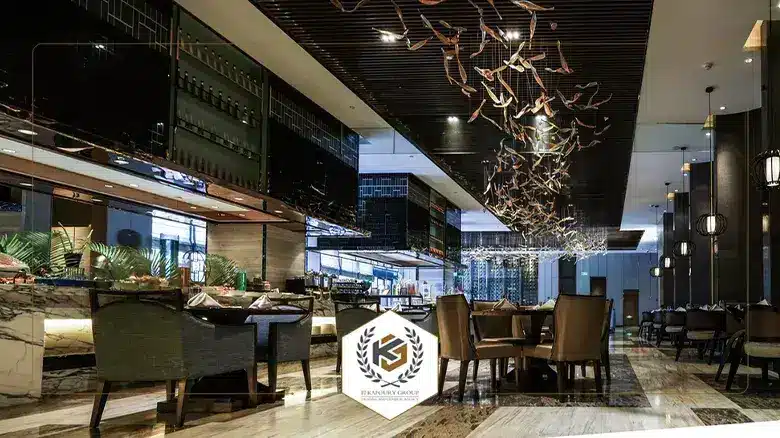
The Architect and Interior Designer
As an artist, you seek the style that will allow you to translate the hotel’s brand story and the owner’s vision into a tangible, physical space. Your challenge is finding a fit-out partner with the expertise and resources to execute any of the modern hotel design styles you choose—whether it demands the complex joinery of a classic theme, the custom furniture of a contemporary look, or the raw, authentic materials of an industrial aesthetic.
The Developer and Project Owner
You view design style as a means to achieve specific business goals. Are you targeting business travelers? A sleek, high-tech hotel design might be the most suitable. Are you appealing to millennial adventurers? An industrial style hotel design could be more attractive. Your objective is to select one of the modern hotel design styles that best serves your target market and maximizes the return on investment.
The Hotel and Operations Manager
Beyond the aesthetics, you are focused on how the chosen style impacts daily operations. For example, a minimalist hotel design may be far easier to clean and maintain than an ornate, classic style. You require furniture and finishes that not only reflect the chosen style but are also durable, practical, and easy to service to withstand the rigors of hotel operations.
The Procurement and Tenders Manager
Your task is to find suppliers who can provide the materials and furniture that precisely match the specifications of the chosen style, all within the set budget. The challenge is that each of the many modern hotel design styles requires specific types of materials, finishes, and craftsmanship, necessitating a partner with broad and deep expertise across multiple aesthetic disciplines.
A Journey Through Today’s Most Influential Modern Hotel Design Styles
Let’s explore some of the most popular and impactful styles shaping the world of hospitality today. The spectrum of modern hotel design styles is rich and varied.
1. Minimalist and Contemporary Design
Characteristics: These styles are defined by clean lines, uncluttered surfaces, and a less is more philosophy. The minimalist hotel design uses a neutral color palette and focuses on the beauty of the materials themselves. Contemporary design is similar but allows for more fluid forms and bold, artistic statements. Furniture is functional and often geometrically inspired.
Best Suited For: Business hotels, design-led urban properties, and brands that want to project an image of efficiency, sophistication, and modernity. A well-executed contemporary hotel design feels both timeless and forward-thinking.
2. Industrial Style
Characteristics: Inspired by old factories and warehouses, the industrial style hotel design celebrates exposed structural elements like brick walls, concrete floors, and visible ductwork. It features a mix of raw wood and dark metal, particularly weathered steel and iron. The furniture is often sturdy and functional with a vintage or repurposed feel.
Best Suited For: Boutique hotel design styles in urban centers, properties in converted historic buildings, and brands aiming to create a unique, edgy, and memorable atmosphere.
3. Biophilic and Eco-Friendly Design
Characteristics: This style aims to create a deep connection to the natural world. Biophilic hotel design relies heavily on natural materials like light woods, stone, and natural textiles. Key features include an abundance of natural light, living green walls, indoor plants, and color palettes inspired by nature. An eco-friendly modern hotel design is a core philosophy within this style.
Best Suited For: Wellness resorts, countryside retreats, and any property aiming to provide a tranquil, restorative haven for its guests. It is one of the most in-demand modern hotel design styles today.
4. Mid-Century Modern Design
Characteristics: Drawing inspiration from the 1950s and 60s, mid-century modern hotel design features organic shapes, simple forms, and a focus on functionality. It often incorporates iconic furniture pieces with tapered legs, warm woods like teak and walnut, and a color palette of earthy tones punctuated by optimistic splashes of color like orange, mustard, and avocado green.
Best Suited For: Stylish boutique hotels, properties looking for a design narrative with character and nostalgia, and brands that appeal to a design-savvy audience. This style is one of the most enduring modern hotel design styles.
5. High-Tech and Futuristic Design
Characteristics: This is the realm of sleek surfaces, metallic finishes, and integrated technology. A high-tech hotel design is defined by smart room controls, interactive digital art installations, and futuristic furniture with clean, almost clinical lines. Lighting plays a key role, often with programmable LED systems to create different moods.
Best Suited For: Airport hotels, properties in technology hubs, and brands wanting to project an image of being innovative, efficient, and cutting-edge. Smart technology is a crucial element of many modern hotel design styles.
El Kafoury Group: Your Partner in Executing Any Design Vision
With our extensive experience serving the luxury hospitality sector since 1996, we at ElKafoury Group understand that each design style has its own specific demands in materials and craftsmanship. Our successful partnerships with global names like Hilton and Four Seasons are a testament to our ability to execute a diverse range of modern hotel design styles to the highest international standards.
- Multi-Style Expertise: Whether your vision calls for the intricate craftsmanship of a classic theme or the raw innovation of an industrial look, our team of experts and our specialized workshops have the knowledge and capability to bring it to life with precision.
- A Vast Material Portfolio: We offer our clients an unparalleled collection of fabrics, woods, metals, and finishes to suit all modern hotel design styles. This diversity gives designers limitless freedom to be creative and realize their vision.
- Integrated Solutions for a Cohesive Vision: We provide a comprehensive, turnkey solution from interior finishes and joinery to bespoke furniture and drapery. This integrated approach ensures all design elements are harmonious and serve the chosen style cohesively, saving our clients the immense hassle of coordinating with multiple suppliers.